Arshaq: Elevating Arabic Design with Elegant Typography
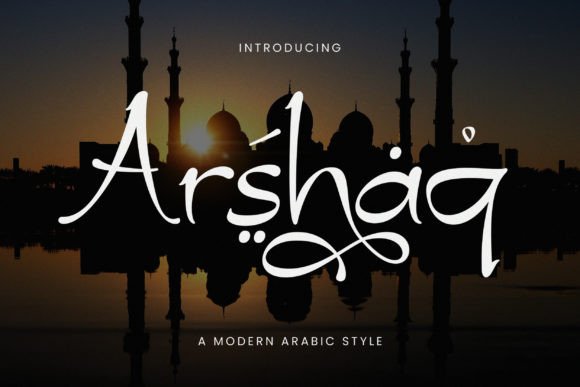
In the world of graphic design, typography is often the silent ambassador of a brand's identity. It speaks before a single word is read, setting the tone for everything that follows. For designers working with Arabic script, finding a typeface that balances traditional calligraphic roots with modern aesthetic demands can be a significant challenge. This is where Arshaq enters the conversation. As an Arabic display font, Arshaq offers a distinct visual language characterized by elegance and beauty, carefully crafted to enhance the appearance of every script it touches.
Unlike standard body text fonts designed for long-form readability, Arshaq shines in moments that require impact. Its unique aesthetic capabilities make it a powerful tool for logos, titles, posters, and various typographic designs. However, the value of such a font extends far beyond its visual appeal; it serves different purposes depending on who is holding the digital pen.
Why Visual Identity Matters Across Different Roles
The decision to adopt a specific display font like Arshaq is rarely one-size-fits-all. What drives a freelance logo designer to choose this typeface differs vastly from what motivates a small business owner launching a new product line. Understanding these nuances helps users determine if Arshaq aligns with their specific goals, skill levels, and project requirements.
For professional graphic designers and typographers, the priority often lies in flexibility and quality. These users scrutinize the kerning, the flow of the curves, and how well the ligatures connect. They need a font that doesn't just look good in a preview image but holds up under rigorous manipulation in vector software. Arshaq's careful crafting provides a solid foundation for these professionals, allowing them to modify letterforms for custom logotypes without losing the inherent elegance of the design. The font acts as a high-quality starting point, saving hours of manual drawing while ensuring the final output feels bespoke.
Conversely, entrepreneurs and small business owners may not have deep technical knowledge of bezier curves or baseline shifts. Their focus is primarily on presentation and commercial value. They need a tool that instantly elevates their brand perception. For a boutique coffee shop in Riyadh or a fashion startup in Cairo, using Arshaq on a storefront sign or a social media banner can convey a sense of sophistication and attention to detail that generic system fonts simply cannot achieve. For this audience, the ease of implementation and the immediate "wow" factor are paramount.
Tailoring Usage to Your Creative Needs
Different projects demand different approaches to typography. Here is how various creators might leverage Arshaq based on their specific contexts:
- Branding and Logos: Because Arshaq is a display font, it excels in short, punchy applications. A marketing agency creating a brand identity for a luxury real estate firm might use Arshaq for the company name to evoke stability and grace. The fluid lines suggest movement and premium quality, distinguishing the brand from competitors using rigid, geometric sans-serifs.
- Posters and Event Flyers: Educators organizing a cultural festival or musicians promoting a concert need visuals that grab attention from a distance. The bold yet elegant strokes of Arshaq ensure that titles remain legible even when scaled up large, making it ideal for event promotions where atmosphere is key.
- Social Media Graphics: In the fast-paced world of content creation, bloggers and influencers need assets that stop the scroll. Using Arshaq for quote cards or announcement headers adds a layer of polish that suggests professionalism, helping creators stand out in crowded feeds.
- Packaging Design: For consumer goods, especially in the food and beauty sectors, the font on the package often dictates the perceived value of the product inside. Arshaq's beautiful design can transform a simple label into a piece of art, appealing to consumers who appreciate aesthetic refinement.
Balancing Aesthetics with Practicality
While the beauty of Arshaq is undeniable, practical considerations always play a role in the selection process. Beginners exploring Arabic typography might find display fonts intimidating due to the complexity of connecting letters. However, a well-crafted font like Arshaq simplifies this by handling connections gracefully, allowing novices to produce professional-looking results without needing years of calligraphy training. This lowers the barrier to entry, encouraging more people to experiment with Arabic script in their designs.
For publishers and editors, the consideration shifts slightly toward consistency and tone. While Arshaq is not intended for body copy, its use in chapter headings or drop caps can set a thematic mood for a publication. It signals to the reader that the content within is curated and thoughtful. The key here is restraint; using such a distinctive font sparingly ensures it retains its impact without overwhelming the reader.
Cost and licensing are also critical factors for freelancers and agencies. Investing in a high-quality display font is an investment in long-term usefulness. Unlike free fonts that may lack character variety or have inconsistent weights, a premium font like Arshaq offers reliability. Professionals know that having the right tool prevents last-minute redesigns and ensures client satisfaction. The time saved searching for the perfect glyph or fixing broken ligatures often outweighs the initial cost of acquisition.
Making the Right Choice for Your Project
Ultimately, deciding whether Arshaq is the right fit comes down to matching the font's personality with your project's intent. If you are designing a tech dashboard or a data-heavy report, a neutral sans-serif might be more appropriate. But if your goal is to evoke emotion, tradition, luxury, or artistic flair, Arshaq provides the necessary vocabulary.
Consider the following questions to evaluate if this font suits your needs:
- Does my project require a strong visual hook in the headlines or titles?
- Am I aiming for a premium or elegant brand perception?
- Will the text be used primarily for short phrases rather than long paragraphs?
- Do I need a typeface that respects Arabic calligraphic traditions while feeling contemporary?
If the answer to most of these is yes, then Arshaq is likely a valuable addition to your toolkit. It bridges the gap between classical beauty and modern design requirements, offering a versatile solution for a wide range of creative challenges.
In a digital landscape saturated with generic templates, the choice of typography remains one of the most effective ways to inject soul into a design. Whether you are a seasoned art director refining a global campaign or a hobbyist creating a wedding invitation, the right font changes everything. Arshaq stands as a testament to the power of well-designed Arabic script, inviting creators to explore new possibilities in their visual storytelling. By understanding your specific audience and project goals, you can harness the elegance of Arshaq to create work that resonates deeply and endures.