Unlocking Retro Elegance: A Comprehensive Guide to the Vintage Binary Display Typeface
The visual language of design is constantly evolving, yet there remains a persistent and powerful allure toward aesthetics that evoke the past. In an era dominated by sleek, minimalist sans-serifs and digital perfection, designers and brand strategists are increasingly turning to typography that carries weight, history, and character. Enter Vintage Binary, a display typeface that masterfully bridges the gap between modern digital utility and the ornamental charm of bygone eras. This font is not merely a collection of letters; it is a design tool capable of instantly transporting a viewer to a time of craftsmanship, detailed signage, and artistic flair.
Understanding the nuances of a typeface like Vintage Binary requires looking beyond its surface-level aesthetic. It represents a specific intersection of style and function, catering to a broad spectrum of creative needs from logo design to editorial headlines. By examining its structural characteristics, practical applications, and the technical advantages it offers, creators can leverage this font to build brands and visuals that resonate deeply with audiences seeking authenticity.
The Anatomy of Nostalgia: Deconstructing the Design
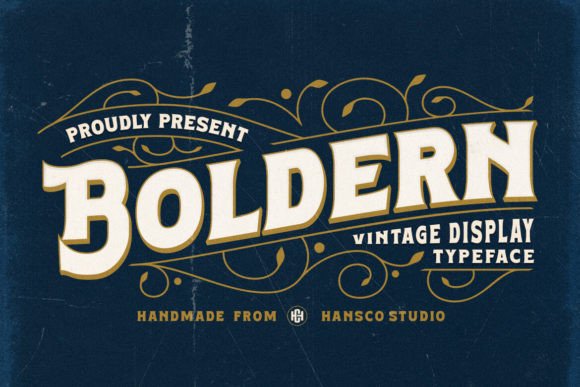
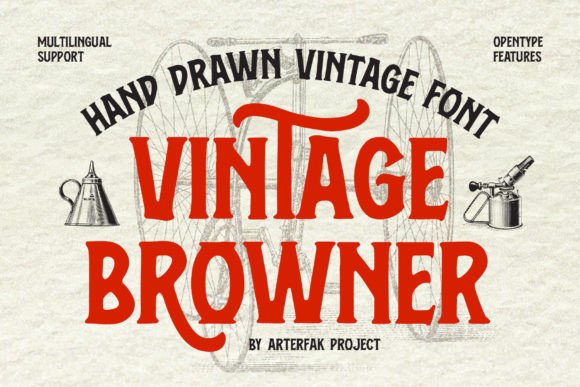
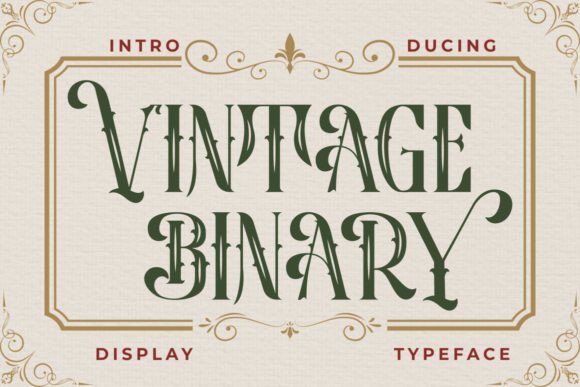
At its core, the appeal of Vintage Binary lies in its ability to encapsulate the essence of vintage and retro aesthetics without feeling like a caricature. Many retro fonts suffer from being overly distressed or difficult to read, sacrificing legibility for style. However, this display typeface strikes a delicate balance. Its classic display style is rooted in the traditions of early 20th-century typography, where letters were often hand-drawn or carved with significant attention to detail.
The font is adorned with ornamental elements and decorative accents that serve as more than just embellishments; they are integral to the font's identity. These flourishes might appear as subtle swashes on capital letters, intricate serifs that mimic chisel marks, or ligatures that connect characters in a fluid, organic manner. Such details add an extra layer of visual interest, ensuring that even a single word set in Vintage Binary commands attention. The "Binary" aspect of the name may suggest a digital origin, which is accurate, yet the output feels distinctly analog, capturing the imperfections and warmth of physical printing methods.
For researchers and historians of typography, fonts like this serve as a digital preservation of styles that defined specific cultural moments. Whether reminiscent of Victorian trade cards, Art Deco posters, or mid-century advertising, the design language embedded within Vintage Binary allows modern users to tap into these historical visual vocabularies. It evokes a sense of nostalgia, triggering emotional responses associated with quality, tradition, and timeless appeal.
Strategic Applications in Modern Branding
The versatility of Vintage Binary makes it a powerhouse for branding materials. In a marketplace saturated with generic logos, businesses strive to differentiate themselves through unique visual identities. A retro-inspired brand, such as a craft brewery, an artisanal coffee roaster, or a boutique barbershop, can utilize this font to immediately communicate its values. The typeface suggests that the business honors tradition, cares about craftsmanship, and offers a product with depth and history.
Consider the application of Vintage Binary in logo design. When used for a primary logotype, the ornamental details provide a ready-made emblematic quality. Often, logos using this style require less additional graphic decoration because the font itself acts as the illustration. For badges and emblems, the curvature and weight of the characters fit naturally into circular or shield-shaped layouts, creating a cohesive and professional look that feels established rather than new.
Beyond logos, the font excels in packaging and labeling. Imagine a line of small-batch jams, hot sauces, or spirits. The label is often the first point of contact between the consumer and the product. Using a display typeface with such distinct character can elevate a simple glass jar into a premium item. The decorative accents draw the eye, while the classic structure ensures that the product name and key information remain legible from a distance. This is crucial for retail environments where shelf presence determines sales.
Editorial and Print Media Usage
In the realm of print media, headlines and titles demand typography that sets the tone before a single sentence is read. Vintage Binary is exceptionally well-suited for magazine covers, book titles, and poster designs. Its ability to capture attention makes it ideal for event posters, whether for a music festival aiming for a retro vibe or a theater production set in a historical period.
Educators and publishers creating materials on history, culture, or the arts can also benefit from this typeface. Using a font that visually aligns with the subject matter enhances the learning experience. For instance, a textbook chapter on the Industrial Revolution or a documentary title card about the 1920s gains immediate contextual relevance when presented in a typeface that mirrors the era's design trends. It helps bridge the gap between the content and the reader, creating an immersive experience.
Technical Advantages and Workflow Efficiency
While the aesthetic qualities of a font are paramount, the technical underpinnings determine how smoothly it integrates into a designer's workflow. One of the standout features of Vintage Binary is its PUA (Private Use Area) encoding. For those unfamiliar with typographic technicalities, this feature is a significant advantage. PUA encoding allows the font to include a vast array of glyphs, ligatures, and alternate characters that are not part of the standard Unicode set.
This means that accessing the amazing glyphs and decorative alternates does not require complex software workarounds or multiple font files. Designers can access these unique characters directly through their design software's glyph panel. This ease of access encourages experimentation. A designer can quickly swap a standard "A" for a more ornamental version, or insert a decorative divider without leaving their workspace. This flexibility is essential for creating custom, one-of-a-kind designs where repetition must be avoided.
Furthermore, the comprehensive nature of the character set ensures that the font is viable for international projects or specific niche requirements. Whether needing specialized punctuation for a stylized quote or a unique ampersand for a monogram, the PUA encoding ensures these tools are at the user's fingertips. This technical robustness supports the creative process, allowing professionals, hobbyists, and business owners alike to focus on the artistic outcome rather than struggling with technical limitations.
Psychological Impact and Consumer Perception
Why does the retro style of Vintage Binary work so effectively? The answer lies in consumer psychology. In a fast-paced, digital-first world, there is a growing fatigue regarding the ephemeral nature of online content. Designs that feel temporary or disposable often fail to build long-term trust. Conversely, aesthetics that reference the past imply stability, longevity, and reliability.
When a consumer sees a headline or logo crafted in Vintage Binary, the subconscious association is often one of heritage. Even if the brand was founded yesterday, the typography suggests a lineage of quality. This "borrowed heritage" is a powerful marketing tool. It infuses designs with vintage charm and retro vibes that capture attention and make a lasting impression. The ornamental details signal that care was taken in the design process, which consumers often translate to care in the product or service itself.
Moreover, the artistic details found in this font appeal to the human desire for beauty and complexity. Unlike stark, utilitarian fonts that prioritize pure function, Vintage Binary invites the viewer to linger. The eye travels along the curves and flourishes, engaging with the text on a deeper level. This engagement increases the likelihood of memory retention, making the brand or message more memorable.
Implementation Strategies for Diverse Creators
To maximize the potential of Vintage Binary, creators should consider the context in which it is used. While it is a display font meant for headlines and large text, pairing it correctly with body text is crucial for readability. A clean, neutral sans-serif or a simple serif font often works best as a companion, allowing Vintage Binary to shine as the star of the show without creating visual clutter.
For web designers, implementing this font requires attention to loading times and scalability. Because of its decorative nature, it should be used sparingly on websites—primarily for hero sections, navigation headers, or call-to-action buttons. Overuse can diminish its impact and hinder readability on smaller screens. However, when used strategically, it can define the entire mood of a website, creating a cohesive thematic experience.
Hobbyists and DIY enthusiasts can also leverage this font for personal projects. From wedding invitations that aim for a classic, elegant feel to custom t-shirts and home decor signs, the accessibility of the font allows non-professionals to achieve high-quality results. The PUA encoding simplifies the process of adding those professional touches, such as custom ligatures, that distinguish amateur designs from polished work.
The Timeless Nature of Ornamental Typography
Trends in design come and go, but the appreciation for well-crafted lettering endures. Vintage Binary stands as a testament to the enduring power of ornamental typography. It proves that incorporating decorative accents and classic structures does not mean sacrificing modern relevance. Instead, it offers a way to stand out in a homogenized visual landscape.
By choosing a typeface that embodies the essence of vintage and retro aesthetics, designers are making a statement about quality and intention. Whether crafting a logo for a startup, designing a vintage label for a new product line, or creating eye-catching posters for a community event, the right typography acts as the foundation of visual communication. Vintage Binary provides that foundation with style, versatility, and technical ease.
Ultimately, the goal of any design project is to communicate a message effectively while evoking the desired emotional response. With its ability to infuse designs with artistic details and a sense of history, this display typeface serves as a vital resource for anyone looking to create visually stunning and authentic results. As the digital world continues to expand, the anchor of retro charm provided by fonts like Vintage Binary will remain an essential tool for storytellers, marketers, and artists alike.